
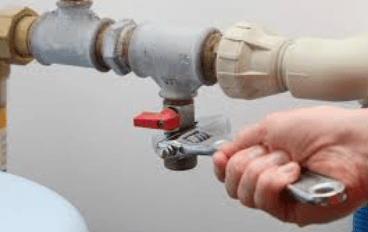
Plumbing efficiency hinges on timely detection of leaks, pressure loss, and worn components. Quick audits target fixtures, aerators, supply lines, and valves, with aerators cleaned and operability verified to restore flow. Regular pressure checks, leak tests, and drip-free replacements prevent waste. Pipe insulation reduces heat loss, while durable upgrades and cost-benefit analyses minimize downtime. A disciplined maintenance routine sustains steady performance and ongoing savings, yet the path forward requires careful planning and careful attention to evolving needs.
What Counts as Plumbing Efficiency and Why It Matters
What constitutes plumbing efficiency and why it matters can be understood by examining how a system delivers water and drains waste with minimal energy use and material loss.
The focus lies on efficient fixtures, leak detection, and robust pipe design to reduce consumption, losses, and interruption.
Effective systems optimize performance, reliability, and adaptability while supporting freedom from pervasive inefficiencies and costly remediation.
Quick Home Audits to Spot Waste and Pressure Loss
Quick home audits can quickly reveal where water use and pressure losses occur, enabling homeowners to identify waste and performance bottlenecks before they escalate.
Systematic checks focus on leak detection and flow inconsistencies, with attention to fixtures and supply lines.
Audits also emphasize aerator cleaning and valve operation to restore optimal pressure and reduce unnecessary consumption.
Clear, actionable findings support prudent maintenance choices.
Upgrading Components for Long-Term Savings
Upgrading components for long-term savings focuses on selecting durable, efficient parts that reduce water and energy use while minimizing frequent maintenance. The approach emphasizes upgrading fixtures with reliable performance, verified by cost benefit analysis. Decisions consider lifecycle costs, material quality, and compatibility with existing systems. Clear assessments enable informed budgeting, minimizing downtime while delivering steady, measurable efficiency gains for homeowners seeking freedom from recurring repairs.
See also: The Rise of Digital Twins in Construction
Establishing a Maintenance Routine That Keeps Water Flow Strong
Establishing a consistent maintenance routine is essential to preserving robust water flow and preventing gradual declines in pressure. Regular inspections identify small leaks, corrosion, or mineral buildup before failures occur. Schedule periodic valve testing, pressure checks, and fixture audits to sustain efficiency. Emphasize drip free fixtures and proper pipe insulation to minimize heat loss and flow resistance while ensuring reliable performance.
Conclusion
In short, plumbing efficiency is not a glamorous gadget but a stubbornly pragmatic philosophy: catch leaks early, banish pressure loss, and replace worn parts before they leak their dignity away. The routine is tedious, yes, but its payoff is louder taps and happier budgets. Satirically, one might praise the heroic aerator for saving a family from the tyranny of high bills—one drip at a time—while reality shows that consistent checks thwart costly breakdowns and conserve precious resources. Enduring maintenance wins.
